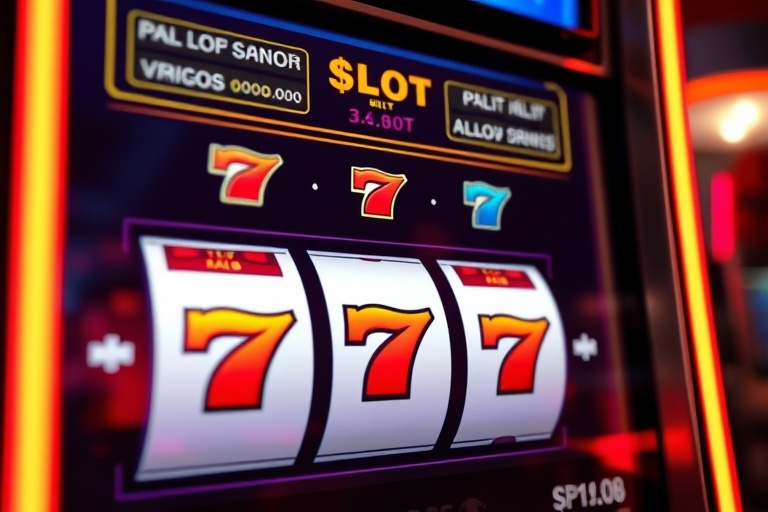
Why does a spin that lands one symbol away from a jackpot feel so energizing? In gambling psychology, that “so close” moment is called a near-miss, and it can be more motivating than a clear loss. Near-misses don’t pay out, but they can spark the same urge to keep playing as a win—especially on slot machines designed to make feedback fast, vivid, and emotionally sticky.
This article breaks down what near-misses do in the brain, how sound and animation amplify the effect, and what you can do to spot these cues and protect your decision-making.
- Near-misses can activate reward and motivation circuits even though you lost.
- Sound, lights, and “almost-win” animations can inflate excitement and distort judgment.
- Fast feedback loops reduce reflection time and increase impulsive play.
- Simple guardrails (time limits, budgets, breaks, and reality checks) support responsible gambling.
- Recognizing design cues helps you reframe near-misses as what they are: losses.
What a near-miss is (and why it matters)
A near-miss is an outcome that looks or feels close to a win—like two jackpot symbols on the payline and the third just above it. Objectively, it’s a loss. Subjectively, it often feels like progress.
That “almost” sensation matters because it can change how you interpret randomness. Instead of seeing each spin as independent, your brain may treat near-misses as evidence that you’re getting warmer, learning the machine, or due for a payout. This is one reason slot machines can be so compelling: they can turn losing outcomes into motivating experiences.
In gambling psychology, near-misses are powerful because they blend disappointment with hope. The disappointment keeps you emotionally engaged; the hope nudges you to continue.

What near-misses do in the brain
Near-misses can trigger brain responses that overlap with winning—especially in systems involved in reward prediction and motivation. Even when you lose money, the brain may react to the possibility of reward and the sense that you were close.
1) Reward prediction: “That could have been mine”
One reason near-misses feel intense is that they highlight a counterfactual: a vivid mental picture of the win you almost got. That mental simulation can be emotionally loud. It can also make the outcome feel meaningful, as if the machine is giving you information.
2) Motivation without satisfaction
A win provides closure: you get a payoff and the moment resolves. A near-miss often does the opposite. It creates a spike of arousal without the satisfaction of a reward, which can leave you restless and motivated to “finish the job.”
3) Learning signals in a game with no skill
Slot machines are games of chance, but near-misses can mimic the feedback you’d get in skill-based learning (like being slightly off-target in a sport). Your brain is built to learn from “close calls,” so it may treat a near-miss as a useful signal—even when it isn’t.
Reality check: A near-miss on a slot machine does not mean you’re improving or getting closer. Each spin is independent, and the probability of the next outcome does not increase because you were “almost” there.
How slot machines amplify near-misses
Modern slot machines (and many digital casino games) don’t just present outcomes; they stage them. Designers can make losses feel like events and near-misses feel like dramatic turning points. This doesn’t change the math, but it can change your experience—and your decisions.
Sound: the emotional accelerator
Sound effects can make near-misses feel urgent and important. Rising tones, “anticipation” music, and celebratory chimes can appear even when you didn’t win. The goal is simple: keep arousal high and attention locked in.
Animations and timing: stretching the moment
Near-misses are often paired with slowed reels, suspenseful pauses, or visual “teases” that delay the reveal. That delay increases anticipation and can make the outcome feel more consequential than a standard loss.
Losses disguised as wins
Some games celebrate outcomes where you win back less than you wagered (for example, bet $1 and “win” $0.20). The machine may still flash and play upbeat sounds. This can blur the line between winning and losing and make it harder to track your actual net result.
| What you experience | What it can make you think | What’s actually true |
|---|---|---|
| Near-miss (two symbols align, third just off) | “I’m close—keep going.” | It’s a loss; odds on the next spin are unchanged. |
| Celebratory sounds on a small return | “I won!” | If payout is less than your bet, you lost money overall. |
| Suspenseful reel slow-down | “This one is special.” | Presentation can be scripted; it doesn’t predict outcomes. |
Feedback loops: speed, repetition, and “just one more”
Slot machines are built around tight feedback loops: bet, spin, outcome, repeat—often in seconds. Fast loops can reduce the time you have to reflect on what you’re spending and why you’re continuing.
Why speed matters
The faster the cycle, the easier it is to play on autopilot. Near-misses inside a fast loop can act like little jolts of motivation that keep you from disengaging. Instead of pausing after a loss, you’re pulled into the next spin before your brain fully processes the last one.
Variable rewards: the engine of persistence
Random rewards are especially effective at maintaining behavior. You don’t know when a win will happen, so you keep checking. Near-misses can intensify this by making the next attempt feel more justified: “It’s got to happen soon.”
Attention capture and narrowed focus
Bright visuals, rapid outcomes, and sound cues can narrow your attention to the machine and away from external signals like time passing, fatigue, or your original budget. This is one reason responsible gambling guidance often emphasizes breaks and pre-set limits: they reintroduce perspective.

How to recognize the cues and stay in control
You can’t “unsee” a near-miss once it happens, but you can change how you interpret it. The goal is to move from an emotional reading (“I was close”) to a factual one (“I lost that bet”).
Name the trick in real time
When a near-miss hits, label it: “Near-miss equals loss.” This simple phrase can reduce the illusion of progress. If you like, add: “The next spin is independent.”
Watch for arousal cues
Notice what happens in your body: faster heart rate, leaning in, holding your breath, a sudden urge to chase. Those are signals that design elements (sound, timing, visuals) are doing their job. Treat that surge as a cue to pause, not to continue.
Track net results, not “wins”
If you’re playing, keep your focus on net money in/out. A machine can celebrate a small payout, but your bankroll tells the truth. Even a quick note on your phone—starting amount and current amount—can cut through the noise.
Reduce sensory pull when possible
If you’re in a venue where it’s allowed and safe, consider lowering volume, stepping away from the most stimulating area, or taking a short walk after any intense moment (big win, big loss, or near-miss streak). The point is to break the trance-like continuity.
Practical responsible gambling strategies
Responsible gambling isn’t about willpower alone. It’s about building a structure that makes good decisions easier—especially when the game is designed to keep you playing.
- Set a loss limit and a time limit before you start. Decide what you can afford to lose and when you will stop, regardless of outcomes.
- Use hard barriers. Bring only the cash you plan to spend, or separate gambling funds from everyday money. Avoid access to extra funds “just in case.”
- Schedule breaks. A timer every 20–30 minutes can interrupt the feedback loop and help you reassess.
- Pre-commit to a stop rule after near-misses. For example: “If I get three near-misses in 10 minutes, I take a 10-minute break.”
- Avoid chasing. If you notice the thought “I can win it back,” treat it as a red flag and stop for the day.
- Know where to get support. If gambling stops feeling fun or starts feeling hard to control, reach out. In the U.S., you can find confidential help via the National Council on Problem Gambling: ncpgambling.org/help-treatment.
Slot machines are engineered to be engaging, and near-misses are one of the most effective engagement tools. The more clearly you see the pattern, the easier it is to choose your next step on purpose.
FAQ
Are near-misses “rigged” to keep me playing?
Near-misses can occur naturally in random systems, but games can also be designed to present outcomes in ways that highlight “almost” patterns (through reel mapping, timing, and visuals). Regardless of the mechanism, a near-miss is still a loss and doesn’t improve your odds on the next spin.
Why do near-misses feel more intense than regular losses?
They create a vivid sense of “it could have happened,” which boosts arousal and motivation. That mix of disappointment and possibility can be more activating than a clear miss.
Do near-misses mean the machine is about to pay out?
No. Slot outcomes are independent. A near-miss doesn’t signal that a win is due, and it doesn’t change the probability of future results.
What’s the fastest way to regain control in the moment?
Pause the loop: stop spinning, stand up, and take a timed break. Then check two facts—how long you’ve been playing and your net spend—before deciding whether to continue.
Is it safer to play if I only gamble small amounts?
Smaller stakes can reduce financial harm, but the psychological pull can still be strong, especially with fast games like slot machines. Time limits, breaks, and clear stop rules remain important parts of responsible gambling.