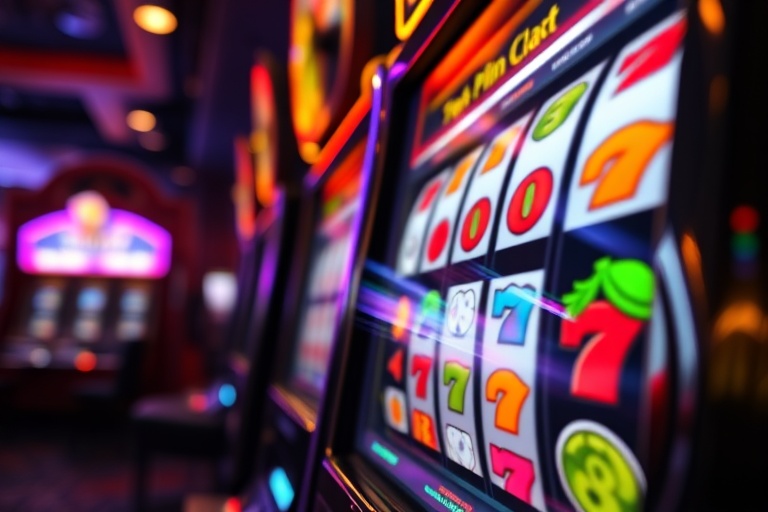
Slot machines look simple: press a button, watch symbols spin, see if you win. But the experience is carefully engineered to keep you engaged—whether you’re playing in a casino or through online gambling apps. Understanding the psychology behind slots doesn’t ruin the fun; it helps you see what’s happening in your brain so you can make choices on purpose.
This article breaks down the design features that make slot machines so compelling: near-misses, variable rewards, sound and light cues, pacing, and the way “almost winning” can feel like progress. You’ll also learn practical ways to set limits so entertainment stays entertainment.
- Slots use variable rewards (unpredictable wins) to keep attention locked in.
- Near-misses can feel motivating even though they don’t increase your odds.
- Fast pacing and sensory cues reduce reflection time and encourage “just one more spin.”
- Online gambling features like autoplay and frictionless deposits can intensify these effects.
- Simple guardrails—time limits, budget caps, and breaks—protect your fun.
Why slots feel so compelling
Slot machines are a perfect storm of fast feedback, bright cues, and uncertain outcomes. In gambling psychology, uncertainty is not a bug—it’s the feature that keeps your brain checking for the next result. Each spin is a small question: “Will this be the one?” The answer arrives quickly, and the next question is available immediately.
Unlike many games where skill and learning drive engagement, slots rely heavily on reinforcement: the way rewards (and the anticipation of rewards) shape behavior. Even when wins are small or infrequent, the overall experience can feel rewarding because the machine delivers constant signals—movement, sound, and “almost” outcomes—that your brain can interpret as progress.
It’s also important to separate entertainment value from expected value. Slots are designed to be fun in the moment, but the long-term math favors the house. The psychological pull comes from how the experience is packaged, not from improved odds over time.
Variable rewards: the engine of engagement
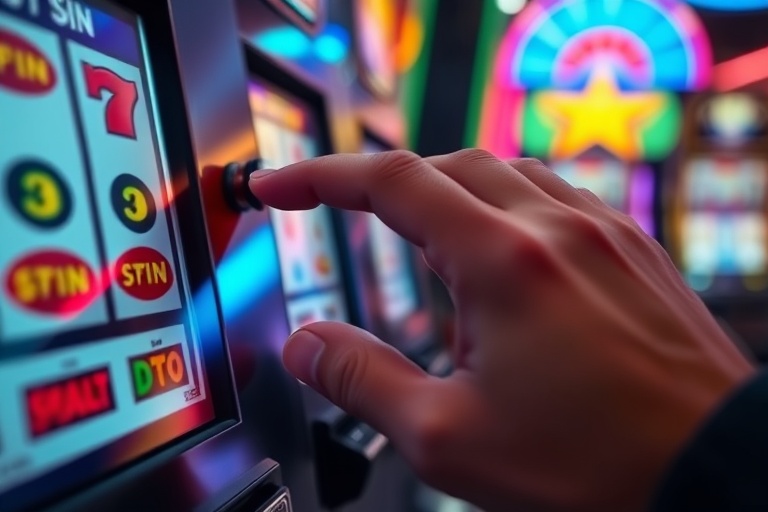
The most influential ingredient in slot engagement is the variable ratio schedule: rewards arrive unpredictably. You might win on the first spin, the tenth, or the hundredth. That uncertainty is compelling because it encourages repeated checking. Your brain treats each spin like a fresh opportunity, even though each outcome is independent.
In everyday life, predictable rewards are easier to ignore. If you knew you would win exactly every 50 spins, you could pace yourself. But unpredictability creates a loop of anticipation and resolution that can be hard to step away from.
Slots also deliver multiple layers of reinforcement:
- Big wins (rare, memorable) that stand out in your memory.
- Small wins that keep your balance from dropping too quickly.
- “Losses disguised as wins” in some formats, where you receive a payout that’s smaller than your bet but is celebrated with upbeat sounds and animations.
That last point matters because your brain responds to celebration cues as if something good happened, even if your bankroll went down. The result can be a mismatch between what you feel and what actually occurred.
Near-misses: the “almost” that keeps you playing
A near-miss is when the reels stop in a way that looks close to a jackpot—two matching symbols and the third just above or below the payline, for example. Rationally, a near-miss is still a loss. Psychologically, it can feel like you’re getting warmer.
Near-misses are powerful because they trigger a mix of disappointment and motivation. Many people interpret them as a sign that a win is “due,” even though slot outcomes are random and independent. In gambling psychology, this is related to the gambler’s fallacy: the belief that past outcomes influence future results in random systems.
Design can amplify near-misses through:
- Reel timing that slows down at the end of a spin.
- Teasing animations that highlight the almost-winning symbol.
- Sound design that builds suspense before revealing the loss.
The key insight: near-misses don’t increase your probability of winning next time. They increase your urge to try again.
Sound, lights, and celebration design
Slots are sensory machines. They don’t just show outcomes; they perform them. Sound effects, music stingers, flashing lights, and on-screen confetti are not decoration—they’re feedback systems that shape how you interpret results.
When a machine celebrates, your brain can tag the moment as meaningful. Over time, those cues can become conditioned triggers: you start to feel anticipation as soon as you hear certain tones or see certain animations.
Some common design choices include:
- Win sounds that are disproportionately exciting compared to the size of the payout.
- “Bonus” cues that make special features feel like rare opportunities you shouldn’t waste.
- Ambient casino soundscapes (or digital equivalents) that keep arousal slightly elevated.
In online gambling, these cues can be even more tightly controlled: the app can adjust volume, haptics, and animation speed to keep the experience smooth and stimulating.
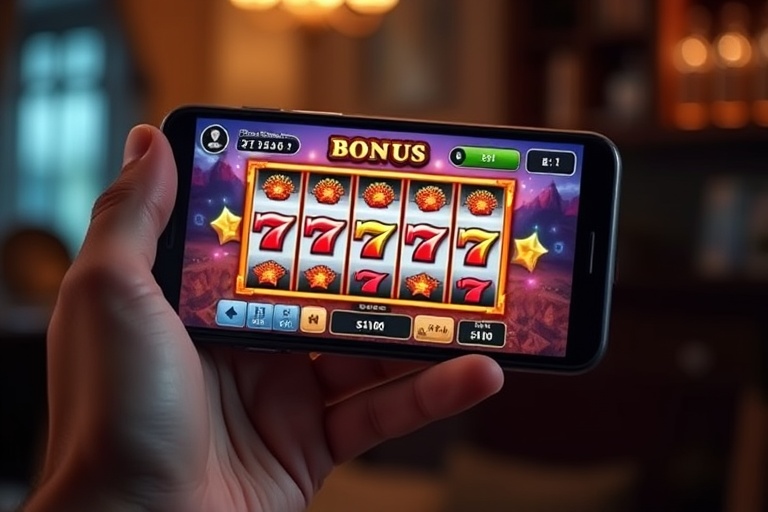
Pacing, flow, and the loss of time
Slot play is often fast: spin, stop, result, repeat. That pace reduces the time you have to reflect on what’s happening. When decisions are quick and repetitive, you’re more likely to operate on autopilot.
Many players describe entering a “zone” where time feels distorted. This resembles a flow-like state, but with an important twist: flow in skill-based activities is often driven by mastery and feedback. Slot “flow” is driven by rhythm, repetition, and anticipation.
Pacing is influenced by:
- Spin speed and quick result delivery.
- Autoplay features that remove the need to press a button each time.
- One-tap re-bets that keep the loop going.
- Bonus rounds that break monotony and reset attention.
Even small friction—standing up, walking to an ATM, waiting for a cashier—can interrupt the loop. Online gambling often removes that friction, which is why setting your own pauses becomes more important.
Cognitive biases that shape gambling decisions
Slots don’t only rely on reward schedules. They also interact with normal mental shortcuts—biases that help us make quick judgments but can mislead us in random systems.
Here are a few that commonly show up around slot machines:
- Gambler’s fallacy: believing a win is “due” after a streak of losses.
- Hot-hand belief: believing you’re on a “lucky streak” that will continue.
- Availability bias: remembering big wins (yours or someone else’s) more vividly than the many small losses.
- Illusion of control: feeling that timing your button press or choosing a machine changes outcomes.
- Sunk cost fallacy: continuing because you’ve already spent time or money and want to “get it back.”
These biases don’t mean you’re irrational. They mean your brain is doing what it evolved to do: look for patterns and meaning. Slots exploit that tendency by presenting random outcomes in a way that feels patterned—especially through near-misses and celebratory feedback.
| Design feature | What it can make you feel | Reality check |
|---|---|---|
| Near-miss | “I’m close—keep going.” | It’s still a loss; odds don’t improve next spin. |
| Small win celebration | “I’m winning a lot.” | A payout can be smaller than your bet. |
| Fast pacing/autoplay | “Just a few more.” | Speed reduces reflection and increases spend rate. |
| Bonus rounds | “This is a special chance.” | Bonuses are built into the game’s overall return. |
Online gambling design: frictionless play and personalization
Traditional slot machines are physical objects with built-in limits: you have to be in a specific place, during certain hours, with cash or a card. Online gambling changes the environment. The game can be in your pocket, available anytime, and connected to fast payment methods.
That convenience is not automatically harmful, but it can intensify psychological hooks:
- Reduced friction: quick deposits, saved payment methods, and instant re-buys can shorten the pause where you might reconsider.
- Notifications and re-engagement: reminders can pull attention back when you were about to move on.
- Personalization: recommendations, “recently played,” and tailored promotions can keep you in familiar loops.
- Always-on access: playing when tired, stressed, or bored becomes easier.
If you choose to play online, it helps to treat the platform like a venue you control. Turn off non-essential notifications. Avoid playing when you’re trying to change your mood quickly. And consider separating entertainment money from everyday spending money.
For information on safer gambling tools and support options, you can review resources from organizations like the National Council on Problem Gambling or the GamCare support services.
How to set limits that protect your fun
Knowing the psychology is useful, but the real value comes from applying it. Limits work best when they’re specific, easy to follow, and decided before you start playing.
1) Set a money limit that assumes you might lose it
Pick an amount you can comfortably spend on entertainment, like a movie ticket plus snacks. Treat it as the cost of the experience, not an investment. If you win, great—but don’t plan on it.
- Use a hard cap: “I will stop when I’m down $X.”
- Separate funds: a prepaid card or a dedicated e-wallet balance can reduce accidental overspending.
2) Set a time limit with an external cue
Time limits are often more effective than money limits because speed varies by game. Use a phone timer or alarm. When it goes off, stand up, stretch, and reassess before continuing.
3) Decide in advance what you’ll do after a win
Wins can be as activating as losses. A simple plan prevents “playing with house money” from turning into a longer session than you intended.
- Example rule: “If I hit a win over $Y, I cash out half immediately.”
- Or: “After any big bonus round, I take a 10-minute break.”
4) Watch for the “tilt” moment
Tilt is when emotion takes over: chasing losses, increasing bets quickly, or feeling numb and detached. A useful personal warning sign might be physical (tight jaw), behavioral (speeding up), or mental (“I need to get back to even”).
If you notice tilt, use a pre-commitment rule: stop for the day, not just for five minutes.
5) Reduce features that remove friction
If you’re playing online, consider turning off autoplay, lowering speed settings, and avoiding one-tap re-bets. Friction is not your enemy; it’s a pause that gives you choice.
A helpful mindset: Slots are a paid experience. Your goal is to buy a certain amount of fun, not to solve the machine.
FAQ
Are slot machines “rigged” to make you lose?
Slots are designed so the house has an edge over time, which is different from being “rigged” in the sense of cheating. Regulated games use random number generators and published rules, but the expected return is typically less than 100%, meaning long-term losses are built into the math.
Do near-misses mean a win is coming soon?
No. Near-misses can feel like progress, but each spin is independent. A near-miss doesn’t increase the chance of winning on the next spin.
Is online gambling more addictive than playing in a casino?
It can be more intense for some people because it’s more accessible and often faster, with fewer natural breaks. Features like autoplay, instant deposits, and notifications can make it easier to play longer than intended.
What’s the best way to avoid chasing losses?
Set a loss limit before you start and treat it as non-negotiable. If you hit it, stop for the day. Chasing losses usually increases risk because it’s driven by emotion rather than a change in odds.
How do I keep slots fun without overspending?
Use a budget you can afford to lose, set a timer, and build in breaks. Turning off fast-play features and cashing out periodically can also help you stay intentional.